

Over the past 20 years, platforms have been at the forefront of driving investment efficiency and reducing the burden of administration and reporting. Historically, a platform’s role was to simplify complex investment processes and deliver financial advisers a more streamlined way to manage client portfolios.
However, this role has broadened beyond advice execution to support advice delivery within a more integrated wealth management environment, where both functions can operate alongside each other.
Platforms are not all the same
As the platform universe has evolved, so too have the capabilities and benefits they deliver, differentiating providers beyond features or product enhancements.
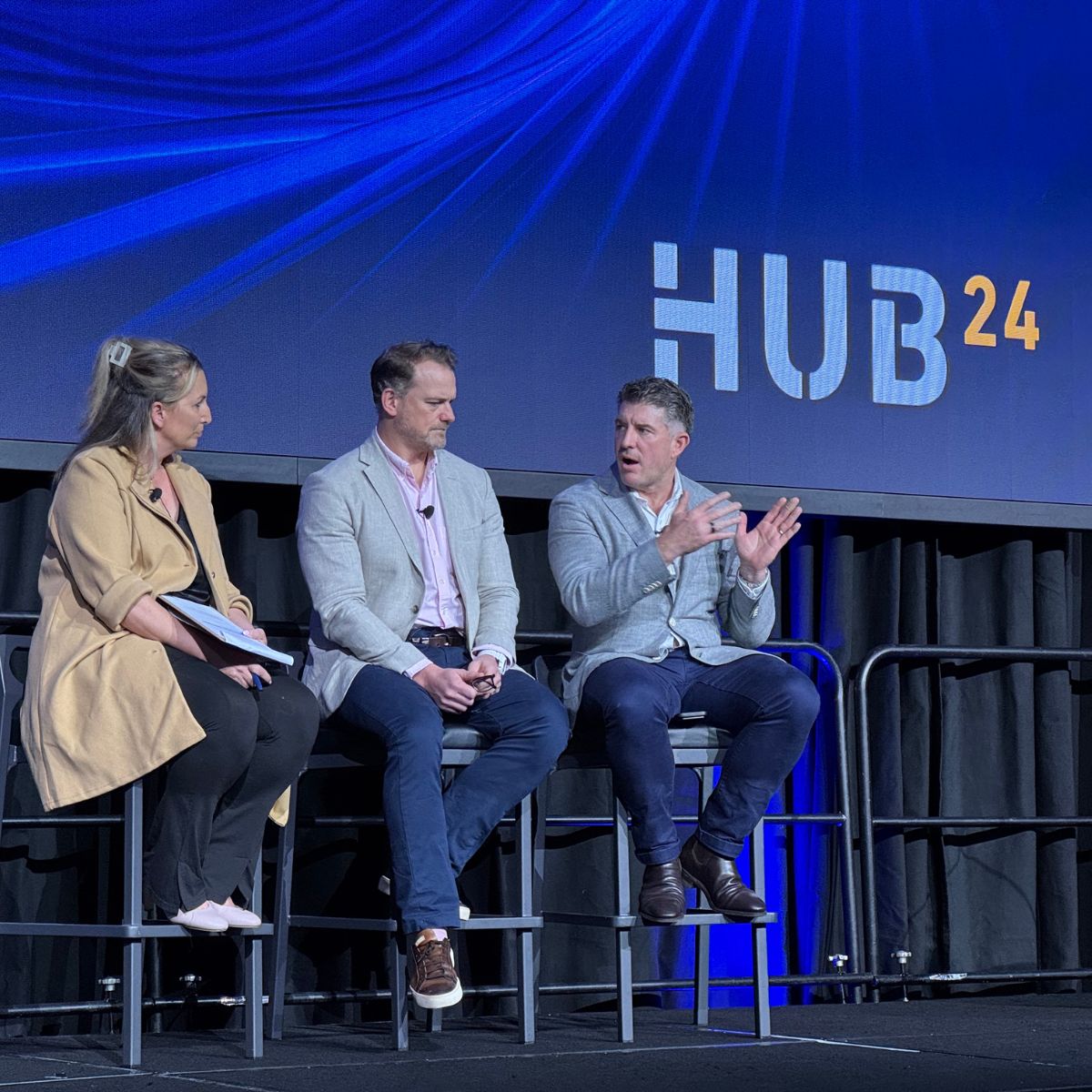
According to HUB24’s Director of Strategy, Jason Entwistle at the SIAA (Stockbrokers and Investment Advisers Association) 2026 Conference, platforms are evolving beyond point solutions to become the foundation of a broader wealth ecosystem. This shift is enabling firms to bring together data, technology and services in one connected environment, reducing complexity and improving the client experience.

At the same time, the scale of these platforms and ongoing investment in innovation are allowing advisers to deliver more personalised, adaptable solutions tailored to the distinct needs, operating models and client segments of individual advice practices.
The opportunity has shifted from supporting discrete parts of the advice process to enabling the delivery of advice end to end across the full spectrum of advice needs. This is increasingly important as almost half of high net-worth (HNW) investors want more proactive communication from their adviser, highlighting growing demand for ongoing guidance and strategic support rather than transactional interactions.1
For this reason, platforms are now increasingly being evaluated on the strength of the ecosystem around them, and their ability to connect, adapt and support a wider range of advice delivery models.
Unlocking the ecosystem potential
Open ecosystems give private wealth firms the flexibility to integrate specialist technologies across the advice value chain, rather than relying on a single provider or closed suite of tools. Such tools include those to enable portfolio management, client engagement, trading, reporting and compliance functions. An open ecosystem allows firms to shape their own operating environment, rather than fit into predefined systems.
Growing complexity in advice and wealth models is driving a shift toward more connectivity, as evolving regulation, rising client expectations and more sophisticated service models reshape the landscape.
In addition, firms are managing more processes, technologies and data than ever before. Better integration reduces duplication and manual effort, enabling more consistent workflows and clearer oversight of the end-to-end advice process.
Productivity at the heart of differentiation
This ecosystem environment enables productivity in advice delivery.
A significant amount of advisers’ time has traditionally been absorbed by administrative work – from preparing advice documents and reporting, to implementing advice and navigating multiple, often disconnected systems. The burden of manual work and the effort required to adopt new technology remain key concerns for 32% of advice businesses.2
By streamlining these activities, firms are better positioned to allocate time and resources to attracting and acquiring clients. This shift is particularly important in the current environment, where 58% of HNW investors have unmet advice needs.1
But the benefits of productivity extend beyond efficiency alone. Creating capacity within firms enables a rebalancing of how time is spent, with greater emphasis placed on client engagement and the delivery of strategic advice.
It means private wealth advisers can spend more time understanding client needs, providing guidance and building long-term relationships, rather than navigating process-heavy and fragmented workflows. This has a direct impact on the quality of advice delivered and, ultimately, on client outcomes.
Data rises to the top
At the same time, the role of data within firms is becoming increasingly important. As private wealth advisers bring together more aspects of the client relationship, they are also accumulating richer and more comprehensive data sets.
This includes not only portfolio information, but also behavioural insights, transaction history and broader financial context. Private wealth firms are, in effect, custodians of this data, with both a responsibility to manage it securely and an opportunity to use it more effectively. When structured and accessed appropriately, this data can support more informed decision-making, enable more proactive engagement and help drive greater efficiency across the business.
1 Investment Trends 2025 High Net Worth Investor Report
2 Investment Trends 2025 Adviser Technology Needs Report.
Related Insights

By: Anne Hamieh, Head of Broker and Private Wealth Distribution Quick insights: As demand for private wealth advice increases, productivity…
By: Anne Hamieh, Head of Broker and Private Wealth Distribution Quick insights: As demand for private wealth advice increases, productivity…
Productivity remains one of the biggest pressure points in advice, constrained by fragmented systems, manual processes and regulatory complexity, which limit the industry’s ability to scale and meet demand.
At the Ensombl ALPD Day held in Brisbane in May 2026, HUB24 participated in an interactive session with the Finura Group where advisers responded to a poll question on their top three pain paints in the advice process – all discussed in this article.
Productivity remains one of the biggest pressure points in advice, constrained by fragmented systems, manual processes and regulatory complexity, which limit the industry’s ability to scale and meet demand.
At the Ensombl ALPD Day held in Brisbane in May 2026, HUB24 participated in an interactive session with the Finura Group where advisers responded to a poll question on their top three pain paints in the advice process – all discussed in this article.

Learn how technology that empowers advisers to turn static reports into compelling stories is driving efficiencies and deepening client relationships.
Learn how technology that empowers advisers to turn static reports into compelling stories is driving efficiencies and deepening client relationships.